The Hidden Cost of Not Following Up on Invoices
Unpaid invoices cost more than delayed revenue. Learn how inconsistent follow-ups impact cash flow, productivity, forecasting, and customer communication.

Unpaid Invoices Cost More Than You Think
Most businesses recognize that late payments affect cash flow. What is often overlooked is the broader impact that unpaid invoices can have on daily operations, team productivity, and business growth.
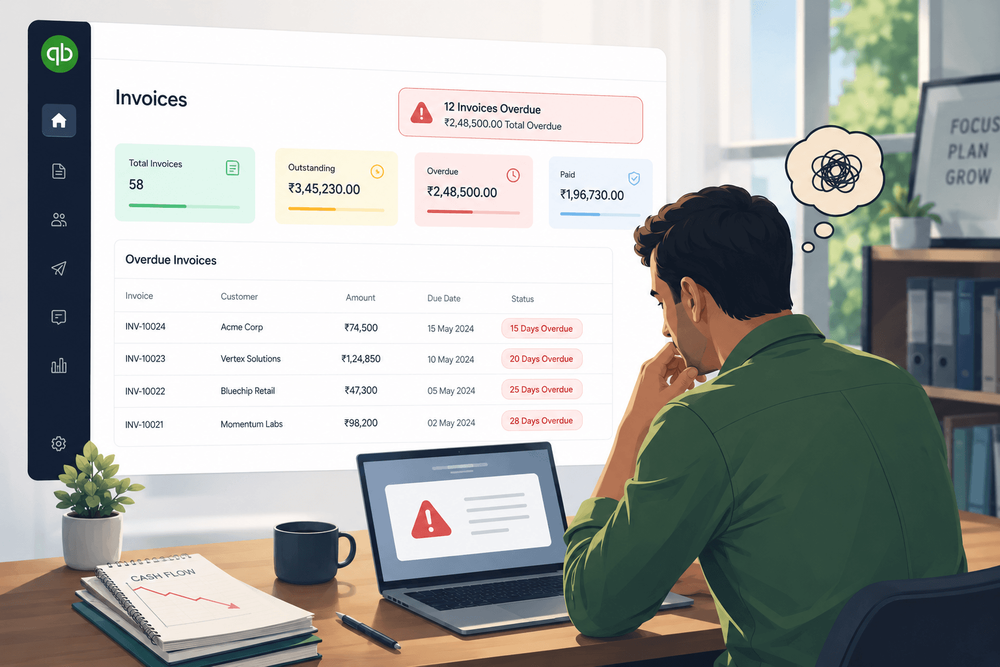
When invoice follow-ups are inconsistent or delayed, businesses may not only wait longer for payment but also lose visibility into their financial position.
For service businesses, agencies, consultants, and freelancers, the true cost of not following up often extends far beyond the invoice itself.
The Financial Impact of Missed Follow-Ups
When invoices remain unpaid without consistent communication:
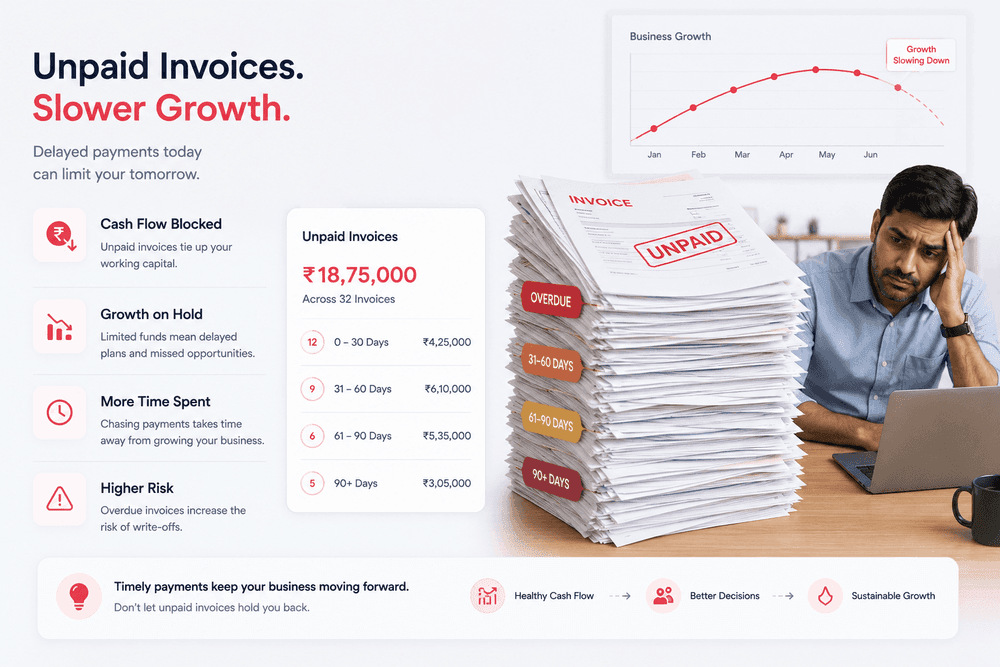
- Cash inflows become unpredictable
- Financial planning becomes more difficult
- Working capital may become constrained
- Growth initiatives may be delayed
Many businesses focus heavily on generating new revenue while overlooking revenue that has already been earned but not yet collected.
Even a small number of overdue invoices can create noticeable cash flow pressure over time.
The Operational Cost Nobody Talks About
The consequences are not purely financial.
Without a structured follow-up process, teams often spend additional time:
- Searching for invoice information
- Reviewing payment histories
- Checking customer communications
- Determining next follow-up actions
As invoice volume increases, administrative workload grows alongside it.
What starts as a simple reminder process can quickly become a significant operational burden.
The Visibility Problem
Many businesses rely on:
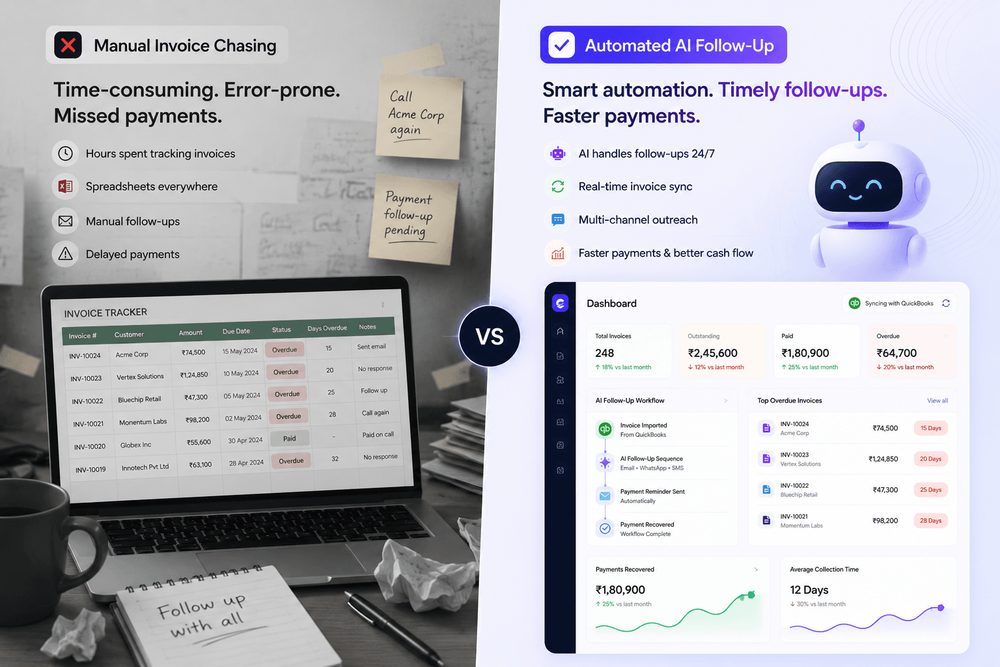
- Manual reminders
- Spreadsheets
- Personal calendars
- Individual memory
While these methods may work initially, they often become difficult to manage as the business grows.
Common challenges include:
- Missed reminders
- Inconsistent communication
- Limited reporting
- Lack of accountability
- Difficulty tracking customer commitments
Without visibility, it becomes harder to understand which invoices need attention and which customers may require additional follow-up.
The Customer Communication Risk
Following up on invoices is not simply about collecting payments.
It is also about maintaining professional communication.
When follow-ups happen inconsistently:
- Customers receive mixed messaging
- Commitments may go untracked
- Communication history becomes fragmented
- Relationships may become harder to manage
A structured process helps businesses maintain professionalism while ensuring outstanding invoices remain visible.
Why Structured Follow-Ups Matter
Businesses that implement organized collection workflows often gain:
- Better visibility into receivables
- More consistent communication
- Improved operational efficiency
- Stronger financial reporting
The objective is not to pressure customers or guarantee payment outcomes.
Instead, the goal is to create reliable systems that help teams manage outstanding invoices effectively.
How Claro Flow Helps
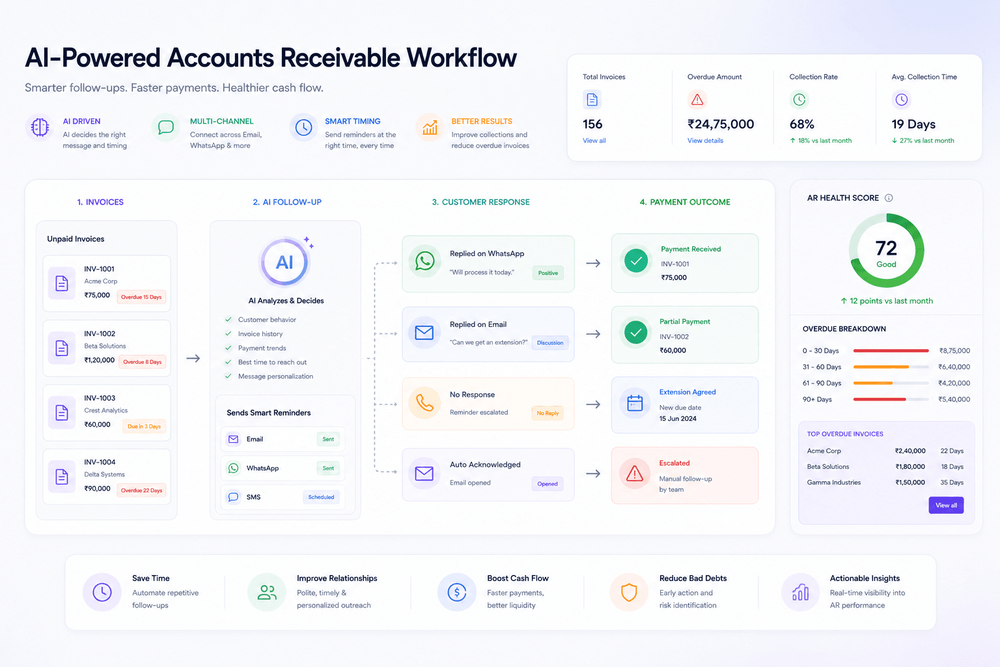
Claro Flow is designed to reduce the administrative burden associated with invoice follow-ups.
Teams can:
- Track outstanding invoices
- Monitor communication history
- Organize follow-ups by invoice age
- Document customer commitments
- Identify invoices that may require escalation
By creating visibility into every stage of the collection process, businesses can make more informed decisions about receivables management.
Signs Your Follow-Up Process Needs Improvement
Your current process may need attention if:
- Follow-ups depend on memory
- Invoice status is difficult to determine
- Communication records are scattered
- Overdue invoices regularly surprise your team
- Reporting requires significant manual effort
These are often early indicators that collection processes are becoming difficult to scale.
Final Thoughts
The hidden cost of not following up on invoices is rarely limited to delayed payments.
Businesses may also experience:
- Reduced cash flow visibility
- Increased administrative workload
- Weaker forecasting
- Missed customer communication opportunities
A structured follow-up process helps create consistency, accountability, and operational visibility across accounts receivable activities.
Over time, these improvements support healthier financial operations, stronger customer relationships, and better decision-making throughout the business.