Streamlining Invoice Collections for a Pune Software Consultancy: A Step-by-Step Guide
Learn how to streamline your invoice collections and improve cash flow for your Pune software consultancy with clear payment terms and automated follow-ups.


Introduction to Streamlined Invoice Collections
As a Pune software consultancy, your primary focus is on delivering high-quality software solutions to your clients. However, managing invoice collections and ensuring timely payments is crucial for the financial health of your business. In this guide, we will walk you through a step-by-step process to streamline your invoice collections, improve cash flow, and reduce the time spent on chasing payments.
Understanding the Importance of Clear Payment Terms
Clear payment terms are the foundation of a well-structured invoice collection process. They provide a mutual understanding between you and your clients regarding the payment schedule, methods, and any late fees associated with delayed payments. Establishing clear payment terms from the outset helps prevent misunderstandings and facilitates smoother cash flow.
Setting Up Clear Payment Terms
To set up clear payment terms, consider the following steps:
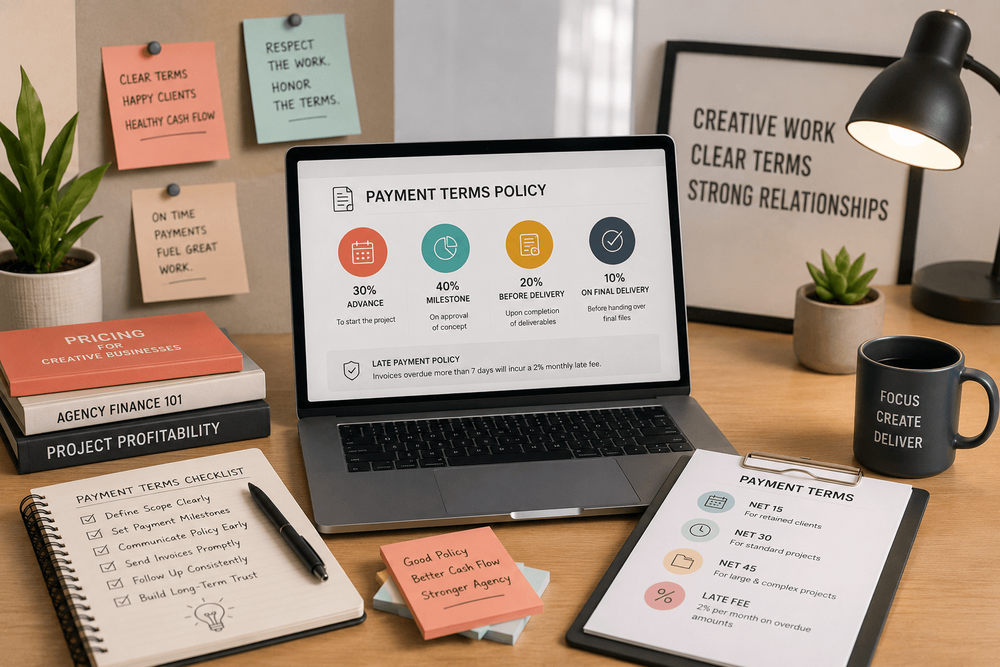
- Define Payment Milestones: For larger projects, break down payments into stages. For example, 25% upfront, 25% at design approval, 25% at development completion, and 25% upon launch.
- Specify Payment Due Dates: Clearly state the number of days within which payment is expected. Consider shorter terms than Net 30 for smaller consultancies.
- Outline Accepted Payment Methods: Specify how clients can pay, such as bank transfer, UPI, etc.
- Establish a Late Payment Policy: Outline what happens if payment is not received on time. This could include a late fee or a temporary pause in project work until payment is cleared.
Implementing Automated Follow-ups
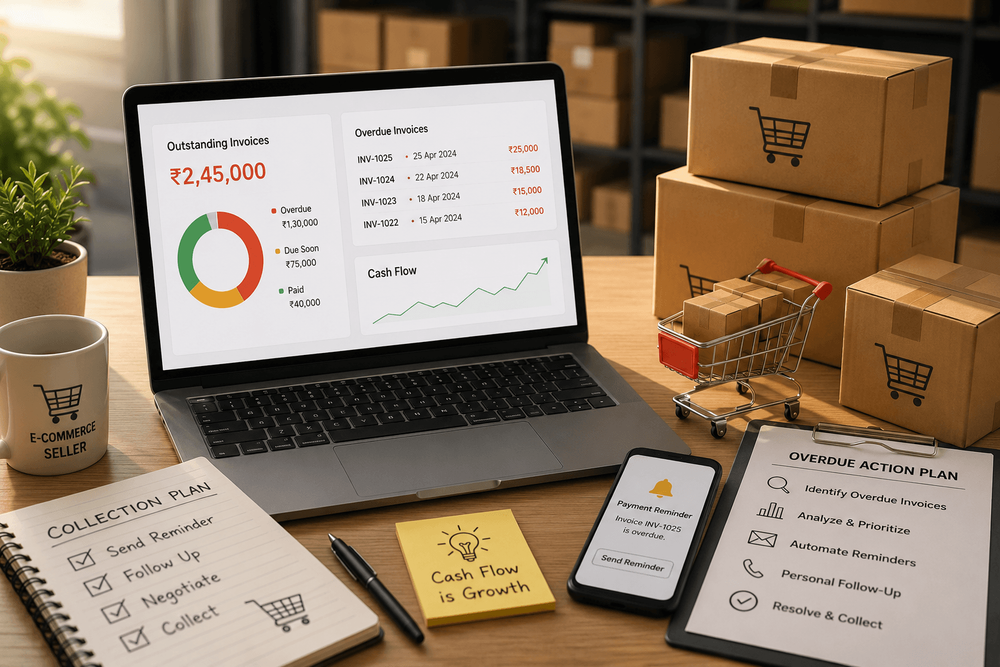
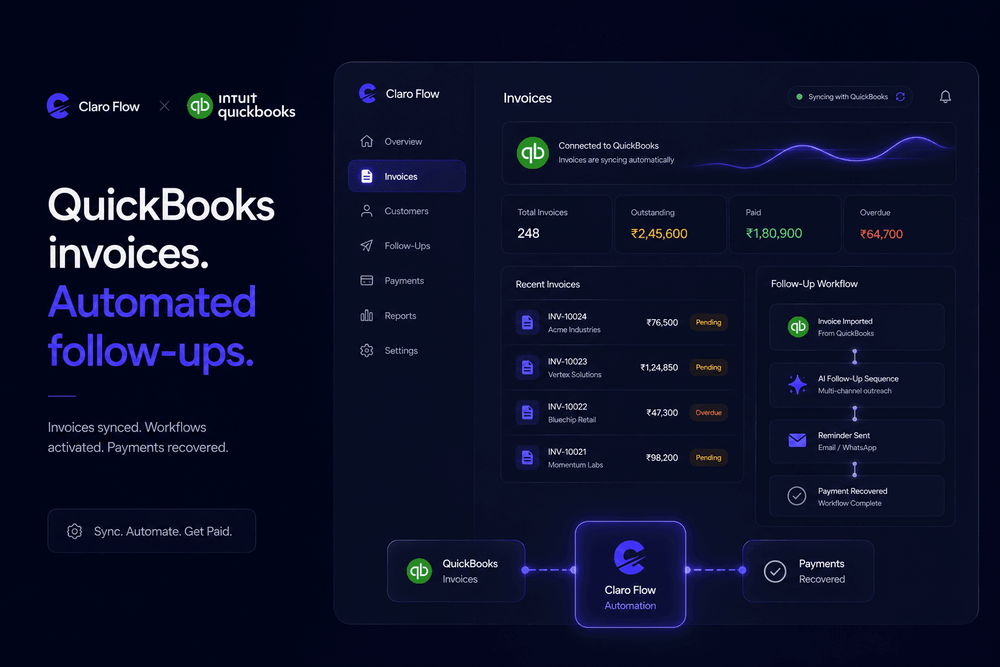
Automating your follow-up process can significantly reduce the time spent on chasing payments. Tools like Claro Flow can integrate with your accounting software, such as QuickBooks, to send polite and timely reminders to your clients.
Benefits of Automated Follow-ups
- Reduced Administrative Time: Automating follow-ups frees up your time to focus on high-value tasks.
- Improved Cash Flow: Timely reminders can lead to faster payments, improving your cash flow.
- Enhanced Client Relationships: Professional and polite reminders maintain a positive relationship with your clients.
Handling Client Excuses and Disputes
Despite clear payment terms and automated follow-ups, clients may still have excuses or disputes regarding payments. It's essential to handle these situations professionally and promptly.
Strategies for Handling Client Excuses
- Open Communication: Maintain open lines of communication to resolve issues promptly.
- Empathy and Understanding: Show empathy towards clients facing genuine difficulties but also reiterate the importance of timely payments.
- Clear Documentation: Keep detailed records of all communications and agreements.
Leveraging Technology for Efficient Invoice Management
Technology can play a crucial role in streamlining your invoice collection process. From generating invoices to sending reminders, using the right tools can make a significant difference.
Tips for Efficient Invoice Management
- Use Integrated Accounting Software: Software like QuickBooks can help manage invoices, track payments, and automate follow-ups.
- Implement a Cloud-Based Solution: Cloud-based solutions provide accessibility and scalability, making it easier to manage invoices from anywhere.
Conclusion
Streamlining your invoice collections is crucial for the financial stability and growth of your Pune software consultancy. By implementing clear payment terms, leveraging automated follow-ups, and efficiently handling client excuses, you can significantly improve your cash flow and reduce the time spent on payment collection. Tools like Claro Flow can assist in automating the follow-up process, ensuring that you can focus on what matters most – delivering exceptional software solutions to your clients.